Author

Hassan Avi

Browsing

Starting a new business comes with excitement, but it also brings practical challenges—especially when it comes to storage and operations. For many startups, managing inventory, logistics, and workspace within a limited budget can feel overwhelming. That’s why more entrepreneurs are choosing flexible solutions that support growth without heavy upfront investment.

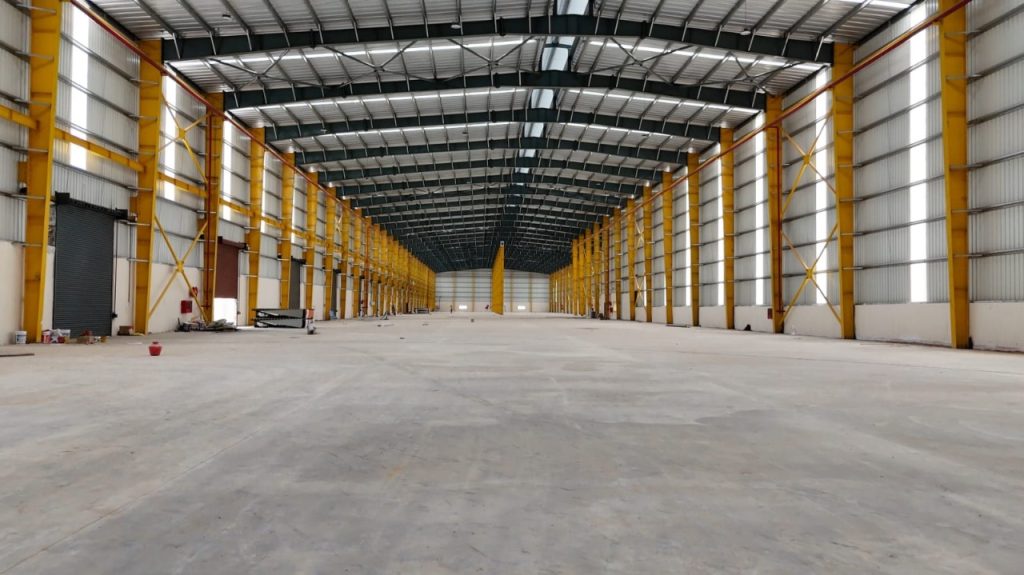
One of the most popular choices today is opting for a warehouse for rent. This approach gives startups the freedom to scale, reduce costs, and focus on their core business activities without being tied down by long-term commitments or large capital expenses.

Cost-Effective Solution for Growing Businesses

Startups often operate on tight budgets, making it essential to minimize unnecessary expenses. Buying or building a warehouse requires significant investment, which can strain financial resources. Renting, on the other hand, allows businesses to access fully functional storage spaces without heavy upfront costs.

With a warehouse for rent, startups can allocate their funds more strategically—whether it’s for marketing, hiring talent, or improving products. This flexibility plays a crucial role in the early stages of business growth.

Flexibility to Scale Operations

One of the biggest advantages of renting a warehouse is scalability. Startups don’t always have predictable growth patterns. There may be times when demand increases rapidly, and other times when operations slow down.

A rented warehouse offers the flexibility to adjust space requirements based on business needs. Whether expanding storage capacity or downsizing to manage costs, startups can make changes without long-term constraints. This adaptability helps businesses stay agile in a competitive market.

Prime Locations Without Long-Term Commitment

Location is a key factor in logistics and distribution. Warehouses situated near transport hubs, highways, or industrial zones can significantly improve delivery efficiency. However, purchasing property in such areas can be extremely expensive.

Choosing a warehouse for rent allows startups to access strategically located spaces without committing to permanent ownership. This ensures faster deliveries, better connectivity, and improved customer satisfaction—all while maintaining financial flexibility.

Reduced Maintenance and Operational Hassles

Owning a warehouse comes with ongoing responsibilities such as maintenance, repairs, and infrastructure management. These tasks can take valuable time and attention away from core business activities.

When startups rent a warehouse, many of these responsibilities are handled by the property provider. This reduces operational stress and allows entrepreneurs to focus on growing their business instead of dealing with facility-related issues.

Access to Modern Infrastructure

Many rental warehouses today are equipped with modern facilities, including advanced storage systems, security features, and efficient layouts. For startups, having access to such infrastructure without additional investment is a major advantage.

These well-designed spaces help improve workflow, ensure better inventory management, and enhance overall productivity. As a result, startups can operate more efficiently from day one.

Supports E-commerce and Fast-Moving Businesses

The rise of e-commerce has increased the need for organized and efficient storage solutions. Startups in online retail, logistics, and distribution rely heavily on warehouses to manage inventory and fulfill orders quickly.

A warehouse for rent provides the perfect solution for such businesses. It enables faster order processing, better stock control, and smoother operations, which are essential for meeting customer expectations in today’s fast-paced market.

Lower Risk and Greater Control

For startups, minimizing risk is just as important as maximizing growth. Renting a warehouse reduces the financial risk associated with property ownership. If business conditions change, startups have the flexibility to relocate or adjust their operations without major losses.

This level of control allows entrepreneurs to make smarter decisions and adapt quickly to market trends.

Ideal for Testing New Markets

Startups often experiment with different markets before settling on a long-term strategy. Renting a warehouse makes it easier to test new locations without making a permanent commitment.

By operating from a rented space, businesses can evaluate demand, understand customer behavior, and refine their approach before scaling further.

Conclusion

In today’s dynamic business environment, flexibility and cost-efficiency are essential for success. Choosing a warehouse for rent gives startups the ability to manage operations smoothly while keeping expenses under control. From scalability and prime locations to reduced maintenance and modern infrastructure, this option offers multiple advantages that align perfectly with the needs of growing businesses.

For startups aiming to build a strong foundation and expand confidently, a warehouse for rent is not just a practical choice it’s a smart strategy for long-term success.

For millions of people, the mere sound of a dental drill or the distinct smell of a clinic can trigger a wave of panic. Dental anxiety and dental phobia are incredibly common conditions that prevent individuals from seeking the oral healthcare they need. While dental anxiety involves a general sense of unease or worry before an appointment, dental phobia is a more severe, irrational fear that can lead to total avoidance of the dentist for years.

Unfortunately, skipping dental visits creates a dangerous cycle. Neglecting your teeth leads to advanced oral health issues, which then require more invasive treatments, ultimately reinforcing the original fear. Breaking this cycle is entirely possible. By understanding the root causes of your anxiety and implementing practical, evidence-based coping mechanisms, you can take control of your oral health and experience stress-free dental visits.

Understanding the Roots of Dental Fear

To conquer dental anxiety, it is essential to identify what specific element of the visit triggers your stress response. Fear is rarely generalized; it is usually tied to a distinct sensory input or a psychological vulnerability.

  • Fear of Pain: This is the most prevalent trigger. Many individuals harbor memories of painful dental procedures from childhood, before modern techniques and advanced local anesthetics made treatments largely painless.

  • Loss of Control: Sitting in a reclined dental chair can make patients feel vulnerable and trapped. The inability to see what the practitioner is doing or to communicate clearly during a procedure exacerbates this feeling.

  • The Sensory Environment: The high-pitched whine of the handpiece, the sharp smell of clinical chemicals, and the sensation of metal instruments in the mouth are powerful psychological triggers.

  • Fear of Embarrassment: Some patients avoid the dentist because they feel ashamed of the condition of their teeth or fear being judged by the dental staff for neglecting their hygiene.

Practical Communication Strategies with Your Dentist

The foundation of a stress-free dental experience is a strong, trusting relationship with your practitioner. Modern dental professionals are trained to handle anxious patients, but they cannot adapt their approach if they do not know how you feel.

Be Open and Honest About Your Anxiety

When you schedule your appointment, inform the receptionist that you experience severe dental anxiety. This allows the clinic to allocate extra time for your visit so you do not feel rushed. When you sit down with the dentist, explain your specific triggers. If you hate the sound of the drill or are terrified of needles, state it clearly.

Establish a Non-Verbal Stop Signal

One of the greatest fears patients have is that the dentist will keep working even if they are in pain or need a break. Before any instrument enters your mouth, agree on a simple hand signal, such as raising your left hand. This gives you absolute control over the pace of the procedure. The moment you raise your hand, the dentist will stop immediately, allowing you to catch your breath or ask for more anesthetic.

Ask for Step-by-Step Explanations

Uncertainty fuels anxiety. Ask your dentist to use the tell-show-do method. The dentist will tell you what tool they are going to use, show you how it works on your finger or external hand, and then perform the action in your mouth. Knowing exactly what to expect eliminates the element of surprise.

Cognitive and Behavioral Relaxation Techniques

Your body and mind are deeply connected. When you experience anxiety, your sympathetic nervous system triggers a fight-or-flight response, causing rapid breathing, a spiked heart rate, and muscle tension. You can consciously counteract this physical response using targeted relaxation techniques.

Practicing Controlled Diaphragmatic Breathing

When people are nervous, they tend to take shallow breaths or hold their breath entirely, which increases panic. Instead, practice deep belly breathing. Inhale slowly through your nose for a count of four, hold the breath for two seconds, and exhale slowly through your mouth for a count of four. This practice lowers your heart rate and signals to your brain that you are safe.

Progressive Muscle Relaxation

Anxiety causes you to tense your jaw, shoulders, and neck without realizing it. Progressive muscle relaxation involves consciously tensing a specific muscle group for five seconds and then completely releasing the tension. Start with your toes and work your way up to your calves, thighs, abdomen, shoulders, and facial muscles. The physical release of tension induces a deep state of mental relaxation.

Distraction Methods to Shift Your Focus

If you can occupy your senses with something external, your brain will have less bandwidth to process dental anxiety. Bringing your own tools for distraction can radically change your perception of time during an appointment.

Use Noise-Canceling Headphones

The auditory triggers of a dental clinic are often the hardest to escape. Invest in a good pair of noise-canceling headphones and create a custom playlist before your visit. High-tempo music, engaging podcasts, or immersive audiobooks are excellent choices. Some patients find that listening to brown noise or nature sounds helps drown out the clinical environment entirely.

Keep Your Hands Occupied

Bring a stress ball, a fidget toy, or a small piece of textured fabric to hold during the procedure. Squeezing a stress ball gives your body a physical outlet for nervous energy and shifts your focus away from what is happening in your mouth.

Advanced Medical Solutions for Severe Phobia

For some individuals, behavioral techniques are not enough to overcome deep-seated trauma. In these scenarios, modern pharmacology offers several safe options to help you stay calm and comfortable throughout your treatment.

Nitrous Oxide

Commonly referred to as laughing gas, nitrous oxide is an inhaled sedative mixed with oxygen. It is administered through a small mask over your nose. Within minutes, you will feel a wave of relaxation and a slight tingling sensation. The primary benefit of nitrous oxide is that it wears off almost immediately once the gas is turned off, meaning you can safely drive yourself home after the appointment.

Oral Sedation

If you suffer from anticipatory anxiety that prevents you from sleeping the night before a visit, oral sedation can help. Your dentist can prescribe a prescription medication, typically from the benzodiazepine class, to take an hour before your appointment. This medication makes you feel drowsy and highly relaxed, though you will remain conscious and able to respond to instructions. You will need a designated driver to take you to and from the clinic.

Intravenous Sedation

For extreme cases of dental phobia or for lengthy, complex procedures, intravenous sedation is an option. Administered by a trained specialist or anesthesiologist, this method induces a twilight sleep. You are technically awake, but you are completely detached from the environment and will generally have no memory of the procedure once it is finished.

Choosing the Right Dental Practice

Not all dental clinics are created equal when it comes to managing anxiety. Finding a practice that aligns with your emotional needs is crucial for long-term success. Look for clinics that explicitly advertise themselves as anxiety-free, gentle, or catering to nervous patients.

Read online reviews to see how other anxious patients describe their experiences. Pay attention to comments regarding the staff behavior, patience, and waiting room environment. A warm, welcoming office with soft lighting and a calm ambiance is far better for an anxious mind than a cold, sterile, institutional environment.


Frequently Asked Questions

How can I stop gagging during a dental procedure when my anxiety makes it worse?

Anxiety frequently exacerbates a sensitive gag reflex by tightening the throat muscles. To manage this, try breathing exclusively through your nose during the procedure. You can also apply a small amount of throat spray or ask your dentist to use a topical numbing gel on the roof of your mouth. Forcing yourself to lift one leg slightly in the air during the most intense moments can also distract your brain and temporarily disrupt the gag reflex.

Is it normal to feel completely exhausted after a dental appointment?

Yes, it is entirely normal. When you experience intense dental anxiety, your body releases a massive surge of adrenaline and cortisol, keeping you in a state of high physical tension. Once the appointment ends and the perceived threat is gone, your body experiences an adrenaline crash, which can leave you feeling drained, sleepy, and physically exhausted for the rest of the day.

What should I do if my anxiety is caused by the fear of choking or suffocating?

This is a very common component of dental phobia. Inform your dentist so they can use a rubber dam to isolate the tooth, which prevents debris and water from traveling down your throat. Additionally, you can request that the dental chair not be fully reclined. Sitting at a slight upward angle can greatly reduce the sensation of losing control over your airway.

Can children develop dental phobia, and how can parents prevent it?

Children can easily develop dental anxiety, often by picking up on the fears of their parents. To prevent this, avoid using negative words like pain, hurt, or needles when describing the visit. Take your child to a pediatric dentist who specializes in child-friendly environments, and schedule regular checkups before any actual dental issues arise so their early memories of the dentist are positive and pain-free.

How does poor oral health caused by dental avoidance affect the rest of my body?

Avoiding the dentist allows chronic oral infections, such as periodontal disease, to worsen. The systemic inflammation and bacteria associated with advanced gum disease can enter the bloodstream and have been linked to broader systemic health issues, including increased risks of cardiovascular disease, stroke, and poorly managed diabetes.

Are there specialized therapists who deal specifically with dental phobia?

Yes, many psychologists specialize in treating specific phobias, including dental phobia. Cognitive Behavioral Therapy is highly effective for this condition. A therapist can work with you over a few sessions to reframe your negative thoughts and guide you through systematic desensitization, helping you gradually build up tolerance to the sights and sounds of a dental clinic.

When a mature, mid-sized company reaches a critical inflection point, executing its next major growth initiative requires a substantial injection of capital. Whether the objective is launching a geographic expansion, funding a major corporate acquisition, investing in extensive product development, or facilitating a shareholder buyout, the management team must determine the most efficient financing structure.

Standard senior debt from commercial banks often falls short because traditional lenders limit their exposure based on strict collateral constraints and tangible asset values. Conversely, raising pure equity capital forces founders to dilute their ownership stakes and surrender a degree of corporate governance. Mezzanine financing serves as a sophisticated, hybrid bridge between these two traditional funding mechanisms. By understanding how to properly evaluate this specialized capital instrument, executives can fuel ambitious growth trajectories while optimizing their overall corporate capital structure.

The Structural Anatomy of Mezzanine Capital

Mezzanine financing sits precisely where its architectural name implies: on the intermediate floor of a company’s balance sheet, positioned between senior debt and common equity. It is a hybrid vehicle that combines the functional characteristics of debt obligations with the upside potential of equity participation.

Subordination and Collateral Realities

The defining characteristic of mezzanine capital is its subordinate status. In the corporate payment hierarchy, mezzanine lenders willingly rank behind senior lenders, such as traditional commercial banks. If a company experiences severe financial distress or liquidation, the senior lenders are paid in full before a single dollar flows to the mezzanine provider.

Furthermore, mezzanine debt is typically unsecured by physical collateral. While a senior bank loan is secured by accounts receivable, inventory, real estate, or equipment, mezzanine financing is backed by a secondary pledge of the company’s stock or equity interest. Because of this high-risk profile, mezzanine lenders do not evaluate a company based on its liquidation value; instead, they focus heavily on historical cash flow predictability and enterprise value.

The Cost and Return Composition

Because mezzanine lenders assume significantly higher risk than senior banks, they demand a higher total return on capital. While senior debt carries a lower interest rate, mezzanine financing yields an overall return profile that typically falls between twelve and twenty percent. This return is achieved through a multi-layered yield structure:

  • Cash Interest: A baseline component that requires regular monthly or quarterly cash distributions.

  • Payment-in-Kind Interest: A specialized mechanism where a portion of the interest accrues over time and is appended to the principal balance of the loan, to be paid upon ultimate maturity. This preserves precious working cash flow for the borrower during critical growth phases.

  • Equity Warrants or Kickers: An option that grants the lender the right to purchase a specific percentage of the company’s common equity at a predetermined, discounted price in the future, allowing them to participate in the enterprise value creation they helped fund.

Strategic Advantages for Growth-Oriented Companies

For the right organization, the inclusion of mezzanine financing offers powerful strategic leverage that can accelerate corporate development without the immediate penalties of traditional equity raises.

Minimization of Equity Dilution

The primary reason business owners choose mezzanine financing over venture capital or private equity is the preservation of ownership. Raising money from pure equity investors requires surrendering a permanent percentage of the company’s future profits and capital appreciation. A mezzanine loan, by contrast, is a temporary structure designed to be repaid or refinanced out of future cash flows within five to seven years. The associated equity warrants usually represent only a minor slice of ownership, allowing the existing shareholders to retain operational and financial control of their business empire.

Expansion of Total Borrowing Capacity

Mezzanine financing can be used as an economic lever to maximize senior debt capacity. Traditional banks view mezzanine capital similarly to equity because it is deeply subordinated and has an extended maturity date with no near-term principal amortization requirements. Consequently, having a layer of mezzanine financing on the balance sheet establishes a protective buffer that gives senior lenders the confidence to extend additional, low-cost senior credit lines to the business.

Flexible Covenants and Patient Capital Structures

Traditional bank loans are notorious for rigid financial maintenance covenants, requiring companies to hit precise quarterly financial ratios regarding leverage and interest coverage. Mezzanine providers offer substantially more operational flexibility. Their financial covenants are looser and more customized to accommodate the temporary margin compression that often accompanies aggressive corporate expansion, making it a highly resilient form of patient growth capital.

Evaluating the Risks and Disadvantages

While the strategic benefits are compelling, mezzanine financing introduces substantial financial complexity and rigid obligations that require careful evaluation.

High Aggregate Cost of Capital

Mezzanine capital is significantly more expensive than traditional bank loans or asset-based lending structures. The combination of cash interest, compounding payment-in-kind interest, upfront arrangement fees, and equity dilution from warrants means that a company must generate exceptional returns on its growth investments to justify the total cost of the capital. If the growth initiative underperforms, the high interest burden can quickly erode net profit margins.

Complex Intercreditor Interlockings

Introducing a secondary, sophisticated institutional lender to the balance sheet complicates a company’s corporate governance. Before funds can be disbursed, the senior bank and the mezzanine lender must negotiate a detailed intercreditor agreement. This contract establishes strict rules governing what happens during a technical default, limits the company’s ability to make cash distributions to founders, and creates complex overlapping approval layers for subsequent corporate actions or restructuring.

Is Your Company a Candidate for Mezzanine Capital?

Mezzanine financing is not a viable option for early-stage startups, speculative turnarounds, or cyclical companies with volatile earnings profiles. Lenders utilize a strict filtering process when evaluating potential borrowers.

  • Proven EBITDA Stability: Lenders generally require a minimum historical earnings before interest, taxes, depreciation, and amortization of three to five million dollars, alongside a demonstrated track record of continuous profitability.

  • Defensible Market Positioning: Candidates must possess a strong, diversified customer base, high barriers to entry within their niche, and an experienced management team capable of executing the proposed growth strategy.

  • Clear Exit and Refinancing Pathways: Because mezzanine instruments have bullet maturities with no gradual principal paydowns, the borrower must articulate exactly how the debt will be extinguished at the end of the term, whether through a future corporate sale, an initial public offering, or a traditional bank refinancing sequence.

Frequently Asked Questions

What is the typical duration or maturity length of a standard mezzanine financing arrangement?

Mezzanine financing instruments are structured as long-term, patient capital liabilities, typically featuring a maturity profile ranging from five to seven years. This extended timeline gives the borrowing enterprise adequate runway to deploy the growth capital, optimize operations, and generate the necessary cash flow trajectories to handle ultimate refinancing or repayment without rushing the business cycle.

How do mezzanine lenders determine the exact strike price and percentage allocation for equity warrants?

The pricing and allocation of equity warrants are determined during the initial valuation and underwriting process. Lenders typically negotiate for warrants that represent between one and five percent of the company’s total fully diluted equity. The strike price is often set at the current fair market value of the enterprise on the day the transaction closes, allowing the lender to profit exclusively from the future equity growth they help facilitate.

Can a company pay off a mezzanine loan early if they experience rapid financial success?

Yes, early prepayment is possible, but it is almost always accompanied by strict call protection mechanisms or prepayment penalties. Because mezzanine lenders underwrite transactions to achieve a specific total yield over a set number of years, early repayment clauses often require the borrower to pay a premium, such as a percentage of the outstanding principal, or guarantee a minimum multi-year make-whole interest return to the lender.

How does mezzanine financing differ fundamentally from preferred equity?

While both occupy the middle layer of the capital structure, mezzanine financing is legally structured as debt, meaning the interest payments are typically tax-deductible expenses for the corporation. Preferred equity sits below mezzanine debt in the liquidation hierarchy, is classified as equity on the balance sheet, and distributes returns via dividends, which are paid out of net after-tax corporate income.

What happens if a company defaults on its mezzanine loan covenants but remains compliant with its senior bank loan?

If a company violates a mezzanine covenant, the mezzanine lender can trigger a technical default. However, under standard intercreditor agreements, the senior bank maintains priority control. The senior lender will typically enforce a standstill period, during which the mezzanine provider is legally blocked from seizing assets or forcing bankruptcy, allowing the company and senior bank time to orchestrate a remedy or structural restructuring.

Are mezzanine lenders actively involved in the day-to-day operational management of the borrowing company?

No, mezzanine lenders are institutional investors who prefer to remain operationally passive. They do not seek control of the day-to-day corporate machinery or operational choices. However, they frequently negotiate for a non-voting board observer seat or require regular monthly financial reporting packages to closely monitor their investment risk and ensure alignment with the overarching corporate growth strategy.

How does a mezzanine provider evaluate enterprise value if the borrowing company is privately held?

Private company evaluation relies on a combination of historical cash flow multipliers and discounted cash flow analysis. Mezzanine underwriting teams analyze the company’s recurring EBITDA and apply an industry-specific market multiplier derived from recent comparable acquisitions of publicly traded peers, adjusting for size, regional concentration, growth rates, and structural capital efficiency.

Most people who are just starting out choose a Demat account that has no opening costs, low brokerage, or attractive AMC waivers. However, MTF interest rates—the daily cost of borrowing money through the Margin Trading Facility—often become the most important factor for traders who plan to use leverage, even if they only plan to do so occasionally. If the broker charges a lot of interest on MTF loans, an account that seems perfect can quickly cost a lot of money.

Most MTF interest rates are between 12% and 18% per year, or higher for stocks that are very volatile. These rates are calculated daily on the amount that has been funded.

Being interested every day as a silent profit eater

When you make a regular trade, most of the costs are one-time (brokerage and legal fees), but when you keep an MTF position, interest builds up every day. This cost gets pretty high for deals that last a while:

  • It costs 123 rupees a day to borrow 3 lakh rupees at 15% interest per year.
  • There will be interest of ₹7,380 after 60 days.
  • After 90 days, it’s worth about 11070 rupees.

When interest rates are high, traders have to ask for much higher profits just to break even. This means that many trades that would otherwise be good can’t be made. If you plan to hold on to your investments for more than a few weeks, brokers with lower MTF interest (12–14%) become much more attractive.

MTF Rates as a Way for Brokers to Stand Out

When choosing between a short list of Demat companies, MTF interest rates are often what set them apart:

  • High MTF interest rates (15–18%) at discount brokers are good for deals with no broker fees, but they are pricey for leverage.
  • Mid-level brokers with reasonable MTF rates (12–14%) are better for a fair use of cash and borrowed money.
  • Brokers that offer better rates (for funded accounts, big volume, or promotional periods) are very appealing to MTF users who do it often.

It’s not uncommon for experienced traders to choose a provider’s open Demat account over others because they offer better MTF interest rates.

Effects on Account Choice on the Mind and the Real World

When MTF interest is high, real friction happens:

  • Not wanting to make risky trades leads to missed chances
  • Early sell-offs to “stop the interest clock” → short-changing winners
  • Preference for brokers with lower rates leads to more trust and happiness.

A Demat account with reasonable MTF charges promotes smart and secure use of leverage, which makes the whole experience better and more useful.

When you choose a Demat account, MTF interest rates are not a small matter; they have a big impact on how much it costs and how useful it is in the long run. High fees can make using leverage impractical for most trades, but low fees can make strong medium-term strategies possible with little risk.

Cross-border gambling presents unique challenges requiring payment solutions that transcend regional banking limitations and currency conversion complications. beste casinos die tether have emerged as preferred destinations for international players seeking reliable platforms that eliminate geographical payment barriers. These operations understand the specific needs of diverse player populations and structure their services accordingly, creating genuinely accessible gaming environments for worldwide audiences.

Regional payment compatibility

International players often struggle with traditional casinos requiring specific credit cards, regional bank transfers, or payment processors unavailable in their countries. Quality Tether platforms bypass these restrictions entirely through blockchain infrastructure functioning identically regardless of player location. Someone in Argentina can deposit using the same process as someone in Thailand, eliminating the frustration of discovering preferred casinos don’t support their local payment options. The uniformity extends beyond basic functionality. Transaction speeds, fee structures, and processing requirements remain consistent across borders rather than varying based on geographical origin. This standardization creates predictable experiences that traditional international payment systems cannot match due to their inherent reliance on regional financial networks.

Currency conversion elimination

Players from non-dollar economies face double conversion penalties when gambling on traditional platforms. They convert local currency to dollars for deposits, then reverse the process during withdrawals, losing percentages to exchange rates at both transaction points. Tether eliminates this inefficiency by allowing a single conversion from local currency to USDT that then functions seamlessly across all gambling activities. Conversion savings example:

  • The traditional method loses 2-3% on each conversion direction
  • Total impact reaches 4-6% of the gambling budget
  • The USDT approach requires only one initial conversion
  • Savings compound over multiple gambling sessions

The accumulated benefits prove substantial for regular international players who might otherwise lose hundreds annually to unnecessary currency conversions. These savings translate directly into additional gambling capital or simply reduced costs for equivalent entertainment value.

Language support availability

First-tier international casinos provide interfaces in multiple languages rather than English-only presentations that exclude non-native speakers. Spanish, Portuguese, German, French, Russian, and Asian languages should appear as standard options, allowing comfortable navigation without translation tools. Customer support staff speaking these languages ensures players can explain concerns clearly without communication barriers, preventing misunderstandings. The language support extends to game titles, promotional terms, and help documentation. Comprehensive translation demonstrates commitment to serving international audiences rather than merely tolerating their presence. Platforms investing in proper localization signal genuine interest in providing quality experiences across linguistic boundaries.

Time zone accommodation

Customer support availability must span time zones rather than maintaining single-region hours that leave international players stranded during their active gambling periods. Genuine 24/7 support means knowledgeable staff available at 3 AM European time or midday Asian hours, not automated responses suggesting patience until business hours resume. Test support responsiveness during your typical gambling times before committing significant deposits. If you primarily play during late Asian evening hours, verify that support actually functions during that window rather than discovering inadequate coverage only when urgent issues arise.

Mobile optimization priorities

International players often rely heavily on mobile devices for gambling due to limited computer access or a preference for portable entertainment. Superior platforms invest in responsive designs that function smoothly across various devices, screen sizes, and connection speeds common in different regions. The mobile experience should match desktop quality rather than feeling like a compromised afterthought. Games must load efficiently even on slower international internet connections that might not match speeds available in developed markets. Platforms optimized only for high-bandwidth environments exclude players from regions with infrastructure limitations, reducing their effective international accessibility despite technical USDT acceptance.

Purchasing a vehicle is one of the most significant financial decisions a consumer can make. For generations, the process was entirely uniform: a buyer would walk onto a local dealership lot, browse the physical inventory, engage in face-to-face negotiations with a salesperson, and drive away in a chosen vehicle. However, the digital revolution has completely disrupted this traditional model.

Today, car buyers stand at a crossroads between two distinct purchasing methodologies: sourcing a vehicle through online platforms or visiting a brick-and-mortar local car dealership. While both approaches ultimately achieve the same objective, the structural paths, financial implications, and overall consumer experiences could not be more different. Understanding the fundamental nuances of each method is essential for navigating the modern automotive market effectively.

Sourcing Online: Efficiency, Vast Selection, and Price Transparency

Sourcing a car online shifts the power dynamic into the hands of the consumer by removing geographical constraints and high-pressure sales environments. This digital-first approach relies heavily on extensive data aggregators and streamlined logistics networks.

Unlimited Inventory Access

The most immediate advantage of online sourcing is the sheer scale of available inventory. When visiting a physical lot, you are limited to the exact vehicles parked on that property at that specific moment. Online automotive search tools pull data from thousands of sources nationwide. Whether you are looking for a highly specific exterior paint color, a rare interior trim package, or an uncommon engine configuration, digital platforms allow you to scan the entire country in seconds.

The No-Haggle Pricing Structure

Many dedicated online car retailers operate on a fixed-price model. The price displayed on the screen is the final price of the vehicle, excluding standard state taxes and registration fees. This structure eliminates the stressful, adversarial negotiation process that defines traditional car buying. For consumers who experience anxiety over bargaining or worry about hidden dealer markups, the transparency of upfront online pricing provides immense peace of mind.

Desktop Convenience and Delivery Mechanics

The entire transaction, including trade-in evaluation, financing pre-approval, and contract signing, can be completed from a home computer. Once the paperwork is processed, the vehicle is delivered directly to your driveway via a flatbed truck. Furthermore, major online platforms offer built-in return windows, typically giving the buyer seven days to drive the vehicle and decide if they want to keep it.

Visiting a Local Dealer: Physical Validation, Immediate Ownership, and Relationship Building

Despite the rapid growth of e-commerce, local dealerships remain a dominant force in the automotive industry. The physical car dealership offers a tangible, immediate, and localized experience that cannot be perfectly replicated by a digital screen.

The Imperative of the Physical Test Drive

No amount of high-definition photography, 360-degree virtual tours, or written specifications can accurately convey how a vehicle feels on the road. Sitting in the cabin allows you to assess seat comfort, visibility, ergonomics, blind spots, and the intuitiveness of the infotainment system. A physical test drive reveals crucial driving dynamics, such as acceleration responsiveness, braking feel, cabin noise insulation, and suspension performance over real-world road imperfections.

The Power of Local Price Negotiation

While online pricing is transparent, it is rarely flexible. Local dealerships operate on a flexible pricing model, which opens the door for skilled negotiators to secure a better deal. A local dealer facing monthly sales quotas or trying to move aging inventory may be willing to lower the vehicle price below market average, offer dealer-specific cash incentives, or increase the valuation of your trade-in vehicle to close the deal on the spot.

Immediate Asset Acquisition and On-Site Servicing

When you buy a vehicle from a local dealer, you can finalize the transaction and drive the car home the exact same afternoon. There are no shipping delays or transit vulnerabilities. Additionally, purchasing locally establishes an immediate relationship with the dealer’s service department. This local connection simplifies regular maintenance visits, factory recall fixes, and warranty claims under the supervision of certified mechanics familiar with your specific vehicle history.


Comparative Dynamics: A Strategic Overview

To determine which method aligns with your personal buying habits, it is helpful to analyze how key phases of the acquisition process differ across both environments.

  • Trade-In Appraisals: Online platforms use algorithmic models based on vehicle history reports and user-submitted photos to provide an instant, sight-unseen offer. Local dealers conduct a physical inspection on-site, which may allow you to argue for a higher valuation if the car is in exceptional mechanical condition.

  • Financing Options: Online sourcing usually funnels buyers through specialized digital lenders or large national banks. Local dealerships have dedicated finance managers who maintain relationships with dozens of local credit unions and regional banks, frequently allowing them to shop around and assemble a competitive interest rate package for buyers with unique credit profiles.

  • Add-On Products: Dealership finance offices are notorious for making aggressive pitches for extended warranties, paint protection, gap insurance, and tire-and-wheel packages. Online platforms offer these same products during the digital checkout phase, but they are presented as optional checkboxes, eliminating the interpersonal sales pressure.


Frequently Asked Questions

How do delivery fees factor into the total cost of an online car purchase?

Online car retailers often provide free shipping if the vehicle is located within a specific radius of their local fulfillment hubs. However, if you source a vehicle from across the country, shipping fees can range from several hundred to over a thousand dollars. This delivery cost is usually non-refundable, even if you utilize the platform’s money-back return guarantee.

Can I arrange an independent pre-purchase inspection when buying a car entirely online?

Yes, but the timing differs from a traditional purchase. Because the vehicle is shipped from a remote facility, you cannot inspect it before it arrives. Instead, you must coordinate with a local mechanic to perform a comprehensive bumper-to-bumper inspection immediately upon delivery, ensuring any hidden mechanical flaws are discovered within the platform’s seven-day return window.

Why do local dealerships sometimes list vehicles online at lower prices than what is stated on the physical lot window sticker?

Local dealerships utilize aggressive internet pricing to attract digital shoppers who are sorting inventory by the lowest available price. These online listings often factor in every possible conditional incentive, such as military discounts, recent college graduate rebates, or loyalty programs, which a walk-in buyer might not automatically qualify for without specific verification.

What recourse do I have if a vehicle purchased from a local dealer breaks down immediately after sale?

Recourse depends heavily on state laws and the type of contract signed. If the vehicle was sold under a factory warranty or a dealer-certified pre-owned program, repairs are covered. However, if a used vehicle is purchased explicitly as-is, the buyer assumes all financial responsibility for mechanical failures the moment they drive off the lot, unless the state has specific used-car lemon laws.

Is it safe to share sensitive financial information and social security numbers with online car buying platforms?

Reputable national online automotive platforms utilize advanced encryption protocols and secure identity verification portals matching the security standards of major banking institutions. Consumers should verify that the website URL contains the secure lock icon and avoid sharing financial details over standard unencrypted email channels.

How do local car dealerships handle out-of-state vehicle registration and license plates?

If you purchase a car from a local dealer but reside in an adjacent state, the dealership’s finance department handles the out-of-state paperwork on your behalf. They calculate the appropriate sales tax for your home jurisdiction, collect the fees, and submit the registration to your state Department of Motor Vehicles, which then mails the physical license plates directly to your home address.

For decades, consumer lending in the United States has relied on a single, dominant metric to evaluate risk: the FICO score. Developed by the Fair Isaac Corporation in the late 1980s, this three-digit number became the universal language of creditworthiness. It dictated who could buy a home, secure an auto loan, or qualify for a credit card.

While the traditional FICO model brought standardization to a previously fragmented system, it was built for a different economic era. The classic scoring methodology looks at consumer behavior through a narrow lens, relying strictly on historical credit data from the three major credit bureaus. Today, a radical shift is underway. Driven by advancements in artificial intelligence, changing consumer habits, and a push for financial inclusion, the underwriting landscape is evolving far beyond traditional FICO models.

The Limitations of the Legacy Credit Scoring System

To understand why the credit scoring industry is changing, one must first analyze the fundamental flaws built into the legacy system. The traditional credit framework inherently favors individuals who already have established access to banking and debt instruments.

The Invisible Prime Population

A major drawback of traditional scoring models is their inability to evaluate individuals who do not use conventional credit products. Consumers who prefer to pay with cash or debit cards, or who have never taken out a major loan, are frequently categorized as credit invisible or unscorable. This population does not necessarily represent a high default risk; rather, they simply lack the specific financial footprint required by outdated algorithms to generate a score.

Lagging and Reactive Data Structures

Traditional credit scores are heavily reliant on retrospective data, such as a consumer’s payment history over the last several years, total credit utilization, and the length of their credit accounts. This historical focus means the score is often slow to reflect positive changes in a consumer’s current financial health. For instance, an individual who experienced a medical emergency years ago might still suffer from a depressed score, even if their income has since doubled and their present-day cash flow is highly stable.

The Vanguard of Modern Underwriting: Alternative Data Integration

The modern evolution of credit assessment is defined by the integration of alternative data. This term encompasses any financial information that sits outside the traditional credit bureau report but offers deep insights into a consumer’s day-to-day fiscal responsibility.

Telecommunications and Utility Payment Streams

One of the most reliable indicators of a consumer’s willingness to pay their debts is how they manage their everyday household obligations. Newer credit modeling systems now securely ingest payment data from mobile phone providers, electric companies, water utilities, and internet services. Consistently paying a monthly utility bill on time for years demonstrates a level of financial discipline that traditional models completely ignore.

Direct Cash Flow Analysis and Open Banking

The rise of secure open banking APIs has made it possible for modern lenders to evaluate risk by analyzing real-time bank account activity directly. Instead of merely looking at how much debt a consumer owes, algorithms can analyze a consumer’s recurring income streams, average daily account balances, and overall spending habits. This granular cash flow underwriting allows lenders to see if an applicant has a healthy margin of disposable income each month, providing a highly accurate, real-time assessment of their capacity to take on new credit.

Rental History Verification

For millions of Americans, rent is their largest single monthly financial obligation. Historically, timely rent payments did not contribute to a consumer’s credit score, while an eviction or a collection account would severely damage it. Modern scoring platforms are correcting this imbalance by allowing renters to opt-in to services that track and report their consistent on-time rent histories, instantly building credit depth without forcing them to take on high-interest credit card debt.

Advanced Methodologies and the Role of Machine Learning

The evolution of underwriting involves more than just collecting new types of data; it also requires completely changing how that data is processed. Traditional credit models rely on linear logistic regression, a mathematical approach that evaluates a handful of static variables independently.

The Power of Machine Learning Algorithms

Modern fintech companies and forward-thinking financial institutions are deploying complex machine learning algorithms to evaluate thousands of data points simultaneously. These advanced systems excel at identifying subtle, non-linear correlations that human analysts and traditional formulas miss. For example, a machine learning model might discover that the specific time of month a consumer pays their bills, combined with the stability of their checking account balance, is highly predictive of future loan performance.

Continuous Self-Correction and Risk Refinement

Unlike static legacy scoring systems that are updated only once every few years, machine learning models can continuously refine their predictive accuracy as they digest new loan performance data. This fluid approach allows lenders to adjust their risk thresholds dynamically in response to shifting macroeconomic conditions, preventing over-lending during economic downturns and expanding access to capital during periods of growth.

The Strategic Shifts: FICO resilience and Competitor Emergence

The legacy credit giants are not standing still as the industry transforms. The landscape has become highly competitive, driving innovation across both established institutions and newer industry players.

  • The Evolution of VantageScore: Created as a joint venture by the three major credit bureaus, VantageScore has emerged as a fierce competitor to the dominant FICO model. Its latest iterations utilize advanced machine learning and incorporate trended data, reflecting how a consumer’s balances change over time rather than just capturing a single monthly snapshot.

  • FICO Next-Generation Adaptations: In response to market pressures, the Fair Isaac Corporation launched newer scoring models, such as FICO Score 10 T and FICO XD. These variations incorporate trended data and alternative data streams, allowing traditional lenders to adopt modern underwriting techniques without completely replacing their existing technological infrastructure.

  • Proprietary Fintech Neo-Lending: Many digital fintech platforms have bypassed third-party scores altogether. They utilize proprietary, in-house risk engines that analyze direct consumer data to approve personal loans, auto financing, and buy-now-pay-later arrangements for demographics historically rejected by standard banking institutions.


Frequently Asked Questions

How does trended data differ from the traditional snapshot data used in older credit models?

Traditional credit models capture a single snapshot of a consumer’s financial standing at one specific moment, such as their total credit utilization on the day the report was pulled. Trended data looks at a historical trajectory, typically tracking the past twenty-four months of a consumer’s balances. This distinction allows lenders to see if a consumer is actively paying down their debt over time or consistently accumulating higher balances month after month.

What specific security and privacy risks are associated with alternative data underwriting?

The primary risks center around data privacy and consumer consent. Accessing real-time bank transaction data requires users to link their checking accounts via third-party financial data networks. This setup creates potential vulnerabilities regarding data breaches, unauthorized data sharing, and the algorithmic profiling of personal spending habits, requiring strict regulatory oversight to ensure consumer data remains protected and secure.

Can a consumer explicitly opt-out of alternative data tracking, or is it collected automatically?

Alternative data collection is primarily an opt-in system for consumers. Unlike traditional credit bureau reporting, which occurs automatically through financial institutions, consumers must explicitly grant permission for platforms to access their utility accounts, rental payment records, or bank transaction histories to supplement their credit profiles.

How do machine learning credit models comply with federal fair lending laws and anti-discrimination regulations?

Compliance is achieved through rigorous algorithmic auditing and the elimination of proxy variables. Lenders must test their machine learning models to ensure they do not introduce disparate impacts against protected classes. Additionally, the algorithms must be structured to provide clear, legally required adverse action notices, which explain the exact, transparent reasons why an applicant was denied credit.

Does the use of alternative data automatically guarantee lower interest rates for consumers?

No, alternative data does not guarantee lower rates, but it significantly expands the probability of loan approval. For a credit-invisible consumer, alternative data establishes a baseline of financial responsibility where none previously existed. While it may initialy result in standard or mid-tier interest rates, it prevents the absolute denial of credit and provides a clear pathway to qualify for prime interest rates over time.

How long does it take for positive alternative data, like utility payments, to affect a credit profile?

Positive alternative data can influence an underwriting decision almost immediately once a consumer opts-in and links their accounts. Because platforms pull historical billing records directly from the utility provider or bank log, several months or even years of consistent, on-time payment history can be instantly ingested and factored into a modern lender’s risk evaluation.

Are major mortgage lenders currently accepting alternative credit scores for home loans?

The mortgage industry has historically been the slowest sector to adopt new scoring models due to strict federal underwriting guidelines. However, government-sponsored enterprises like Fannie Mae and Freddie Mac have updated their policies to allow for the integration of trended credit data and positive rental history checks, signaling a major shift toward modern risk assessment in the housing market.

Modern passenger vehicles are highly sophisticated computers on wheels, executing millions of calculations every second to ensure comfort, efficiency, and survival. Yet, when the average driver slides into the cabin, turns the ignition, and navigates through daily traffic, the immense engineering complexity beneath their fingertips is entirely invisible.

Features that once required decades of rigorous laboratory experimentation, aerospace-grade computing power, and radical physics paradigms have quietly transitioned into standard, expected equipment. We treat them as mundane design choices rather than the monumental technical achievements they truly are. By peeling back the layers of everyday automotive technology, we uncover the brilliant engineering marvels that have completely transformed the act of driving.

The Crumple Zone: Managing Kinetic Energy Through Controlled Destruction

For the first half of automotive history, the prevailing safety philosophy was rigidity. Automobile manufacturers believed that building a car as strong and unyielding as a tank was the ultimate way to protect its occupants. This intuitive assumption proved catastrophically wrong. In a high-speed collision, an unyielding chassis stops instantaneously, transferring the lethal kinetic energy directly through the cabin and into the human bodies inside.

The Innovation of Deflection

The paradigm shifted entirely with the invention of the crumple zone. Automotive engineers realized that to save lives, the vehicle itself had to sacrifice its structural integrity. Crumple zones are deliberately designed areas at the front and rear of a vehicle that are engineered to deform, buckle, and collapse in a highly controlled sequence during an impact.

Extending Impact Duration

By lengthening the time it takes for a vehicle to come to a complete stop by even a fraction of a second, the crumple zone dramatically reduces the peak deceleration forces acting on passengers. The energy of the crash is consumed by the bending of specialized high-strength steel and aluminum structures, wrapping a protective cocoon around the rigid safety cell of the passenger cabin. Every time a modern car is completely totaled in an accident yet the passengers walk away with minor bruises, it is a direct testament to this masterclass in kinetic energy management.

Antilock Braking Systems: Staying on the Edge of Friction

Stopping a vehicle weighing several thousand pounds on a rain-slicked highway requires an intricate dance with the laws of physics. Under heavy, panicked braking, a vehicle’s tires can easily lose traction and lock up completely. Once a tire stops rotating and begins to skid, the driver loses all steering control, turning the automobile into an unguided projectile.

The Computational Pulse

The development of the modern Antilock Braking System solved this fundamental hazard. The system relies on wheel speed sensors that continuously monitor the rotational velocity of each individual tire. If the system detects that a wheel is about to stop spinning entirely while the vehicle is still moving, it intervenes at an astonishing speed.

Modulating Hydraulic Pressure

The electronic control unit modulates the hydraulic brake pressure to that specific wheel, pulsing the brakes up to fifteen times per second. This rapid modulation allows the tire to sit precisely at the absolute threshold of maximum braking friction. By preventing the skid, ABS ensures that the driver can actively steer around obstacles even while burying their foot on the brake pedal, completely altering emergency collision avoidance.

Electronic Fuel Injection: The Hyper-Optimized Internal Combustion

For nearly a century, the carburetor was the mechanical heart of the internal combustion engine. It was an intricate, entirely analog web of tiny tubes, jets, and floats designed to mix air and fuel together based on engine vacuum. While brilliant for its time, the carburetor was inherently imprecise, highly sensitive to changes in weather or altitude, and prone to wasting immense amounts of fuel.

Real-Time Atmospheric Adaptability

The transition to Electronic Fuel Injection brought engine management into the digital age. Modern engines utilize a complex array of sensors to measure exact intake air volume, engine temperature, throttle position, ambient atmospheric pressure, and exhaust oxygen content.

Microscopic Fuel Delivery

A centralized engine control unit processes this data instantly, calculating the precise microsecond duration required to spray an atomized mist of fuel directly into the combustion chamber. This optimization happens cycle by cycle, thousands of times a minute. The result is an engine that starts instantly in sub-zero temperatures, self-corrects for high altitude mountain passes, extracts maximum horsepower from every drop of fuel, and reduces harmful exhaust emissions to a fraction of historic levels.

Interconnected Automotive Miracles

Beyond the heavy mechanical systems, a host of other invisible marvels collaborate harmoniously during every single commute to elevate the driving experience.

  • Variable Valve Timing: Instead of operating on a fixed mechanical cycle, modern engines dynamically shift the opening and closing timings of their internal valves on the fly. This enables an engine to behave like an ultra-efficient commuter motor at low speeds and instantly transform into a high-performance sports engine during highway acceleration.

  • Tire Pressure Monitoring Systems: Utilizing minute, wheel-mounted radio frequency transmitters, these systems continuously gauge the internal air density of your tires. This preventative tech preserves fuel economy, prevents catastrophic highway blowouts, and ensures optimal tire contact patches without requiring manual gauge checks.

  • Laminated Acoustic Glass: Windshields are no longer simple sheets of glass. They are complex sandwiches composed of two layers of glass bonded together by a specialized, acoustically dampening polyvinyl butyral interlayer. This thin acoustic barrier reflects exterior wind and tire frequencies away from the cabin, while ensuring the glass does not shatter into dangerous shards during an impact.

Frequently Asked Questions

How does Electronic Stability Control differ fundamentally from an Antilock Braking System?

While ABS strictly prevents wheels from locking up during linear braking, Electronic Stability Control is designed to correct lateral skidding and loss of steering control during turns. ESC utilizes yaw rate sensors and steering angle indicators to detect if a car is spinning out or sliding wide. It automatically applies braking pressure to individual wheels and reduces engine power to pull the vehicle back onto the driver’s intended path.

Why did it take so long for Crumple Zones to become standard if the physics behind them is so straightforward?

The implementation of crumple zones required massive advancements in metallurgy and supercomputer structural modeling. Engineers had to develop specialized high-strength steels that could be stamped into highly specific geometries capable of folding predictably under immense stress, while ensuring adjacent passenger cabin pillars remained absolutely rigid.

What is the engineering purpose behind the black dots found around the edges of a windshield?

Those black dots are called frits. They are made of an ultra-durable ceramic paint baked directly into the glass. The frit serves multiple engineering purposes: it provides a rough texture for the polyurethane adhesive to bond the windshield securely to the car frame, blocks damaging ultraviolet radiation from degrading that adhesive over time, and visually hides the structural glue lines from the outside.

How do modern vehicles manage to keep passenger cabins quiet despite moving at high highway speeds?

Cabin serenity is achieved through complex aerodynamics and acoustic isolation materials. Engineers utilize virtual wind tunnels to eliminate sharp body angles that generate air turbulence. Beneath the interior panels, vehicles are lined with engineered liquid-applied sound deadeners, micro-porous fiber mats, and double-walled rubber door seals designed to absorb and deflect low-frequency road vibrations.

How do smart keyless entry systems function securely without draining the car battery?

Keyless entry systems utilize a highly efficient, low-frequency localized radio network. The vehicle continuously emits a low-power ping. When your key fob enters a specific close range, it wakes up, processes an encrypted rolling security code, and transmits back an authentication signal. Because the communication relies on short bursts of localized data, standby power consumption remains virtually unnoticeable.

What allows modern automatic transmissions to shift gears smoothly compared to older vehicles?

Older automatic transmissions relied entirely on internal hydraulic fluid pressure changes to force shifts. Modern transmissions use highly sensitive electronic solenoids controlled by a computer that communicates directly with the engine. When a shift occurs, the computer momentarily dials back engine torque for a millisecond, allowing the internal clutch packs to engage seamlessly without any physical jerking motion.

How does a modern vehicle engine adjust itself automatically to prevent damage from poor quality fuel?

Modern engines are equipped with highly sensitive acoustic sensors called knock sensors. If you put lower-grade fuel into an engine designed for premium fuel, it can cause erratic premature explosions inside the cylinders, known as engine knock. The knock sensor detects the unique structural frequency of this vibration instantly, causing the engine computer to automatically retard the ignition timing to eliminate the risk of internal mechanical damage.

The global transition toward remote work has completely reshaped the software engineering industry. For organizations, the benefits are clear: access to a borderless talent pool, reduced overhead costs, and increased employee retention. However, leading a decentralized engineering team presents unique operational hurdles. Without physical proximity, standard management workflows can quickly dissolve into communication silos, misaligned priorities, and operational friction.

Managing a remote development team requires moving away from traditional, presence-based supervision. Managers cannot rely on walking past a desk to gauge progress or holding impromptu hallway discussions to resolve architectural roadblocks. Sustaining peak productivity requires a deliberate framework built on clear communication protocols, robust documentation, asynchronous workflows, and outcome-oriented performance metrics.

Establish Asynchronous Communication as the Default

One of the most frequent errors in remote management is attempting to replicate the traditional office environment virtually. Forcing developers into continuous, real-time communication leads to a fractured workday and severe mental fatigue.

Protect Deep Work Windows

Software engineering demands long, uninterrupted periods of deep concentration to write complex code, debug intricate systems, and design application architecture. Constant interruptions from instant messaging channels break this cognitive flow. Managers should establish clear boundaries regarding communication response times, explicitly stating that immediate replies are not expected for non-urgent inquiries.

Leverage Written Clarity Over Meetings

Before scheduling a video conference, ask whether the objective can be achieved through written communication. Replacing status update meetings with concise text updates allows engineers to consume and process information on their own schedule, keeping their primary working hours dedicated to active development.

Standardize the Documentation Infrastructure

In a distributed environment, tribal knowledge is a major bottleneck. If a developer must wait several hours for a colleague in a different time zone to explain a deployment process or an API configuration, productivity grinds to a halt.

Maintain an Up-to-Date Internal Wiki

Every technical process, architectural decision, and onboarding step must be thoroughly documented in a central repository. This internal knowledge base should be easily searchable and continuously maintained. When a technical obstacle is resolved, the solution should be logged so future developers can fix the issue independently.

Implement Comprehensive Code Review Guidelines

A remote code review process should be transparent, standardized, and constructive. Establish clear automated checking mechanisms to handle code formatting and basic syntax validation before a human reviewer ever opens the file. This ensures that the engineering team spends their valuable review time discussing logic, architecture, and security rather than debating stylistic preferences.

Optimize the Agile Workflow for Distributed Environments

Agile methodologies remain highly effective for remote teams, provided they are modified to accommodate geographic dispersion and varying working hours.

Streamline Daily Standups

Traditional daily standup meetings can become logistically impossible when team members span multiple continents. Transitioning to text-based asynchronous standups allows developers to post their progress, daily objectives, and current blockers at the start of their respective workdays, keeping the entire team aligned without requiring a single live call.

Break Tasks Into Small Independent Units

When creating tasks within project management platforms, ensure each ticket is highly granular and completely self-contained. A well-defined task should explicitly state the technical requirements, acceptance criteria, and dependencies. This clarity allows remote developers to execute assignments independently without constantly pausing to ask for clarification.

Foster a Blameless Engineering Culture

Remote developers can easily feel isolated, which often amplifies the fear of making mistakes or deploying buggy code. This psychological stress inhibits innovation and slows down delivery cycles.

Conduct Blameless Post-Mortems

When a production outage or critical software bug occurs, the subsequent investigation must focus entirely on systemic failures rather than individual mistakes. Analyze why the testing suite failed to catch the issue or how the deployment pipeline can be improved. This approach encourages engineers to report vulnerabilities quickly and take calculated technical risks without fear of retribution.

Automate the Testing and Deployment Pipelines

Human error is an inevitable part of software engineering. Minimize this risk by implementing a robust Continuous Integration and Continuous Deployment pipeline. Automating unit tests, integration tests, and staging deployments provides remote developers with immediate feedback on their code changes, giving them the confidence to deploy updates frequently and independently.

Focus on Outcomes Over Hours Logged

Tracking the exact hours a remote developer spends sitting at their keyboard is an ineffective management strategy that breeds resentment and micromanagement. Peak productivity is driven by clarity of goals, not time spent online.

  • Measure velocity and deployment frequency: Evaluate the team based on tangible output metrics, such as the velocity of completed tasks, the frequency of successful production deployments, and the average time it takes for a code change to move from conception to delivery.

  • Track software quality indicators: Balance speed metrics with quality safeguards by monitoring change failure rates, code test coverage, and the volume of customer-reported bugs.

  • Respect non-linear work schedules: Embrace the reality that remote engineers may work best during unconventional hours. As long as deadlines are consistently met, technical criteria are satisfied, and key team handoffs occur smoothly, avoid policing specific daily working windows.

Frequently Asked Questions

How should a manager handle performance issues with a remote developer without micromanaging?

Address performance drops by focusing strictly on objective, documented expectations. Review recent task completion histories, code quality metrics, and pull request activity. Schedule a dedicated video discussion to discover whether the underlying issue stems from vague task definitions, missing technical documentation, or personal burnout, and establish a clear collaborative plan with measurable weekly benchmarks.

What is the ideal ratio between synchronous meetings and asynchronous work for an engineering team?

While the exact balance depends on project complexity, a healthy target is maintaining an eighty-to-twenty ratio in favor of asynchronous work. Reserve live synchronous interactions for complex architectural brainstorming sessions, critical incident responses, sprint retrospectives, and regular personal career development check-ins.

How can a remote engineering manager accurately estimate project timelines across different time zones?

Accurate timeline estimation requires breaking down larger initiatives into highly detailed, low-complexity tasks. Have the development team assign story points or complexity ratings to these micro-tasks during planning sessions. Use historical team velocity data rather than optimistic guesses to project launch dates, and intentionally factor in extra padding to account for cross-timezone communication delays.

What strategies can prevent remote developers from experiencing severe burnout?

Managers must actively model healthy work-life integration. Avoid sending non-urgent messages outside of an engineer’s localized working hours, encourage team members to utilize their paid time off, and explicitly discourage working through weekends. Regularly monitor git activity for patterns of late-night code commits, which often serve as an early warning sign of impending burnout.

How do you build strong interpersonal relationships and team cohesion in a fully remote engineering team?

Building rapport requires creating dedicated digital spaces for non-work interactions. Maintain casual text channels for sharing industry news, technical jokes, or personal hobbies. Allocate the opening five minutes of team meetings to casual conversation, and consider organizing annual or bi-annual in-person engineering retreats to solidify working relationships.

What are the essential security protocols for managing remote developers accessing company infrastructure?

Maintaining a secure development environment requires enforcing a Zero Trust architecture. Require multi-factor authentication across all engineering platforms, mandate the use of secure corporate virtual private networks, provision managed hardware with encrypted storage, and implement strict role-based access controls to limit developer permissions to only the specific repositories and cloud databases required for their current assignments.

For many people, the fitness industry feels incredibly alienating. Social media feeds are packed with influencers who jump out of bed at dawn, thrilled to crush a grueling workout. They talk about the runner’s high and how movement is their therapy. But if you are someone who genuinely detests the sensation of sweating, gasping for air, and muscles burning, that enthusiastic mindset can feel impossible to achieve.

If you hate working out, the standard advice to just find your passion or push through the pain usually falls flat. The reality is that you do not need to love exercise to do it consistently. Just as you brush your teeth, pay your taxes, or do your laundry without feeling a profound sense of joy, you can establish a reliable movement routine based on systems, psychology, and practical lifestyle adjustments. By shifting your approach from chasing enthusiasm to lowering friction, you can successfully maintain your health without forcing yourself to become a fitness fanatic.

Shifting Your Definition of Exercise

One of the biggest barriers to fitness is the mental picture we cultivate when we think about working out. Many people assume that exercise only counts if it involves a gym membership, matching activewear, lifting heavy weights, or running on a treadmill until exhaustion hits.

When you narrow your definition of fitness to these traditional activities, it is easy to become discouraged. The human body does not care if you are on an expensive stationary bike or if you are vigorously cleaning your house; it simply responds to physical exertion and movement.

Embrace the Concept of Physical Activity

Instead of focusing on formal exercise, redirect your attention to general physical activity. The medical community often refers to this as non-exercise activity thermogenesis. This includes any movement that expends energy outside of eating, sleeping, and structured sports. Walking the dog, gardening, carrying groceries up the stairs, or pacing around your living room while talking on the phone all contribute to your overall health, cardiovascular endurance, and metabolic function.

Lower the Barrier to Entry

If the thought of a sixty-minute workout makes you want to crawl back into bed, throw that expectation out the window. A five-minute walk or a brief two-minute stretch is infinitely better than doing nothing at all. Often, the hardest part of any task is simply starting. By promising yourself that you can stop after just five minutes, you reduce the psychological resistance keeping you on the couch. More often than not, once you begin moving, you will find the momentum to continue a bit longer.

The Power of Temptation Bundling

If internal motivation is completely absent, you can rely on external incentives to get your body moving. A highly effective behavioral psychology technique for this is known as temptation bundling. Coined by behavioral economists, this strategy involves pairing an action you need to do but dislike with an action you want to do and thoroughly enjoy.

Creating Your Movement Bundles

To implement this strategy, create a strict rule for yourself: you are only allowed to consume your favorite piece of media or entertainment while you are physically active.

  • Audiobooks and Podcasts: Save the most dramatic, suspenseful episodes of your favorite true-crime podcast or fiction audiobook exclusively for your daily walks. If you want to know what happens next, you have to lace up your sneakers.

  • Streaming Shows: If there is a reality television show or drama series you love to binge-watch, only allow yourself to watch it while walking on a home treadmill, riding a simple under-desk pedaler, or doing gentle mobility stretches on the living room floor.

  • Video Games: Many modern video games can be played while casually spinning on a stationary bike. By linking the immediate dopamine hit of gaming with physical movement, the time passes much faster.

Redesigning Your Environment to Reduce Friction

Human beings are naturally wired to conserve energy and take the path of least resistance. If working out requires you to pack a bag, drive through rush-hour traffic to a crowded gym, find parking, and wait for equipment to open up, you are highly likely to skip it. To bypass this lack of willpower, you must aggressively reduce the friction between yourself and the activity.

Prepare the Night Before

If you intend to move in the morning, eliminate any decision-making from your early routine. Lay out your clothing and shoes right next to your bed. Set up your water bottle and any equipment you might need. When your alarm goes off, you do not have to think about what to wear or what to do; the path has already been cleared for you.

Make Your Home the Hub

You do not need a dedicated home gym with expensive machinery to stay active. A simple yoga mat, a set of resistance bands, or a pair of light dumbbells tucked under the couch can suffice. Having these items in plain sight eliminates the logistical hurdle of traveling to a fitness facility. If you work a desk job, replacing your traditional chair with a stability ball or placing a walking pad under a standing desk can naturally integrate movement into your workday without requiring dedicated workout time.

Finding Alternative Forms of Movement

If the traditional gym environment makes you miserable, stop trying to force a square peg into a round hole. There are countless ways to elevate your heart rate and build functional strength that look nothing like a standard workout routine.

Explore Recreational Activities

Think back to what you enjoyed doing as a child. Many activities that feel like play are actually excellent sources of cardiovascular exercise.

  • Adult Rec Leagues: Joining a casual, non-competitive sports league like kickball, dodgeball, or pickleball provides social interaction and playfulness, making the physical exertion secondary to the fun of the game.

  • Dancing: Turning up your favorite music in your kitchen and dancing wildly for fifteen minutes burns a significant number of calories and releases endorphins without ever feeling clinical or forced.

  • Nature Exploration: Hiking through a local state park, kayaking, or even exploring a new neighborhood on foot shifts your focus to your surroundings rather than the physical discomfort of the activity.

Redefining Your Goals and Tracking Progress

When people focus entirely on aesthetic goals, like losing weight or building visible muscle, motivation tends to dry up quickly because these changes take weeks or months to manifest. To maintain a routine when you hate the process, you must shift your focus to immediate, functional metrics.

Focus on Mental and Physical Benefits

Instead of stepping on a scale, pay attention to how your body feels immediately after moving. Notice the slight increase in your daily energy levels, the reduction in muscle stiffness from sitting at a computer, the improvement in your sleep quality, or the clarity of your mind. Recognizing these short-term benefits provides immediate positive reinforcement for your efforts.

Keep a Consistency Calendar

For those who dislike exercising, looking at a calendar filled with checkmarks can provide a distinct sense of accomplishment. Mark an X on your wall calendar for every day you complete at least ten minutes of movement. Your only goal is to keep the chain going. The psychological desire to maintain a streak can often override the temporary laziness or dislike of the activity itself.

Frequently Asked Questions

Why do I never experience the famous runner high that everyone talks about?

The runner’s high is caused by a release of endocannabinoids and endorphins, but neurochemical responses vary heavily from person to person. Genetics, baseline fitness levels, and the intensity of the workout play a massive role. If you hate running or intense cardio, your body is likely under too much stress to trigger a pleasurable response. Finding lower-intensity movements can prevent your body from entering a state of distress, making the experience far more tolerable.

How can I deal with feeling incredibly self-conscious or judged when trying to exercise?

Spotlight syndrome makes us believe everyone is watching us, but in reality, most people at gyms or parks are entirely consumed by their own routines, insecurities, and playlists. To mitigate this feeling, start your fitness journey in the privacy of your own home. If you want to go outside or use public spaces, try exercising during off-peak hours when locations are quiet, or wear a hat and sunglasses to create a personal psychological barrier.

Is it safe to exercise if I am recovering from a high-stress workday, or will it make me more tired?

Gentle, low-intensity movement like walking or restorative stretching can actually reduce stress by lowering circulating levels of cortisol and adrenaline. It promotes blood flow and helps clear psychological fatigue. However, if you are completely exhausted, forcing yourself through a high-intensity interval workout can overtax your nervous system. Listen to your body and opt for restorative movement rather than punishing exertion.

Can I split my daily activity into tiny segments throughout the day, or must it be consecutive?

Accumulating short bursts of activity throughout the day is highly effective. Accumulating three ten-minute walks over the course of the day offers virtually the same cardiovascular and metabolic benefits as a single thirty-minute walk. This approach is often much easier to schedule and far less intimidating for individuals who dislike long sessions of physical exertion.

What should I do if my joints hurt whenever I attempt traditional forms of exercise?

If impact exercises like running or jumping cause joint pain, switch to low-impact alternatives that remove gravity and harsh forces from the equation. Swimming, water aerobics, cycling, and using an elliptical machine are excellent ways to challenge your cardiovascular system without putting stress on your knees, hips, and ankles.

How do I handle a complete relapse where I do not move for several weeks?

Accept that relapses are a normal, predictable part of building any long-term habit. Avoid getting trapped in an all-or-nothing mindset where you assume you have completely failed and should give up entirely. Forgive yourself for the gap in consistency, and focus on doing just one small thing today, such as a five-minute stretch. You do not need to make up for lost time; you just need to restart the engine.