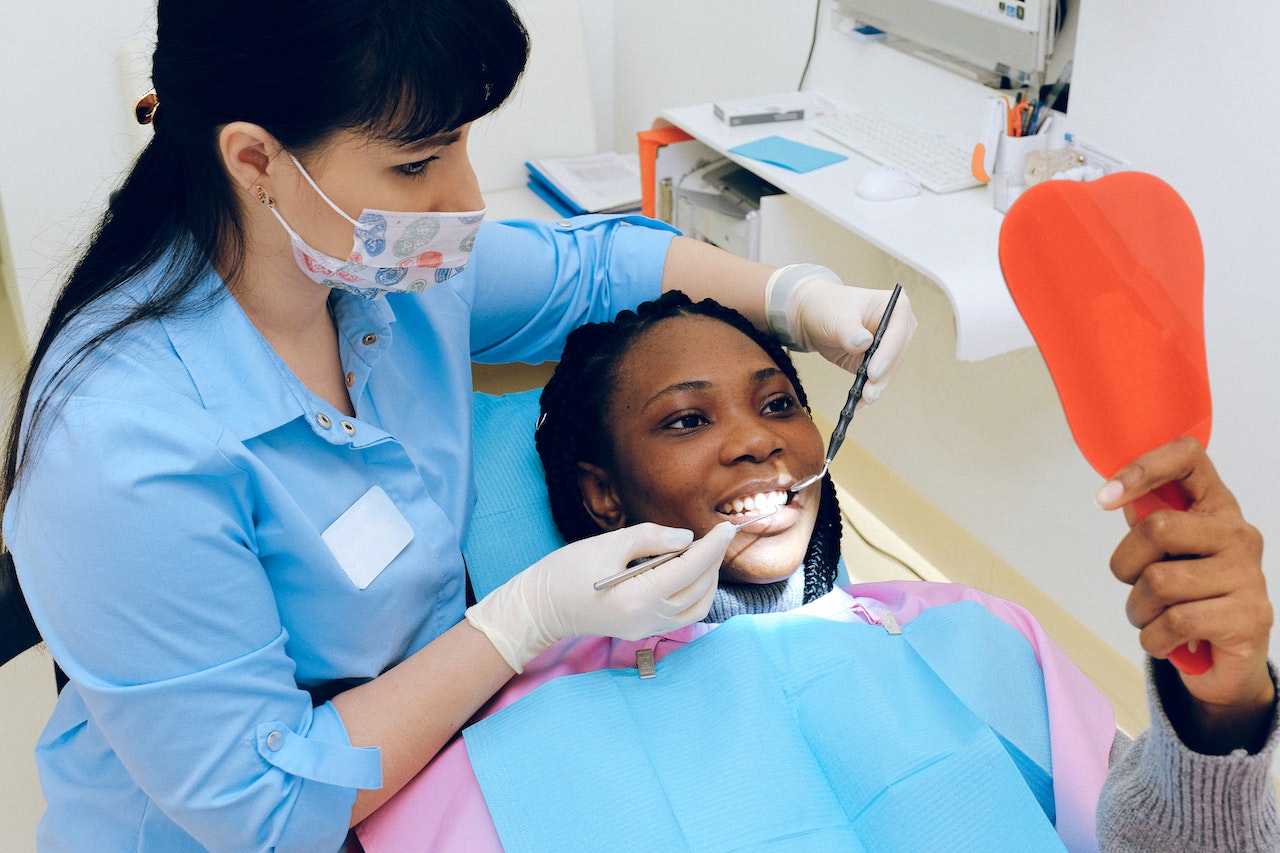
For millions of people, the mere sound of a dental drill or the distinct smell of a clinic can trigger a wave of panic. Dental anxiety and dental phobia are incredibly common conditions that prevent individuals from seeking the oral healthcare they need. While dental anxiety involves a general sense of unease or worry before an appointment, dental phobia is a more severe, irrational fear that can lead to total avoidance of the dentist for years.
Unfortunately, skipping dental visits creates a dangerous cycle. Neglecting your teeth leads to advanced oral health issues, which then require more invasive treatments, ultimately reinforcing the original fear. Breaking this cycle is entirely possible. By understanding the root causes of your anxiety and implementing practical, evidence-based coping mechanisms, you can take control of your oral health and experience stress-free dental visits.
Understanding the Roots of Dental Fear
To conquer dental anxiety, it is essential to identify what specific element of the visit triggers your stress response. Fear is rarely generalized; it is usually tied to a distinct sensory input or a psychological vulnerability.
-
Fear of Pain: This is the most prevalent trigger. Many individuals harbor memories of painful dental procedures from childhood, before modern techniques and advanced local anesthetics made treatments largely painless.
-
Loss of Control: Sitting in a reclined dental chair can make patients feel vulnerable and trapped. The inability to see what the practitioner is doing or to communicate clearly during a procedure exacerbates this feeling.
-
The Sensory Environment: The high-pitched whine of the handpiece, the sharp smell of clinical chemicals, and the sensation of metal instruments in the mouth are powerful psychological triggers.
-
Fear of Embarrassment: Some patients avoid the dentist because they feel ashamed of the condition of their teeth or fear being judged by the dental staff for neglecting their hygiene.
Practical Communication Strategies with Your Dentist
The foundation of a stress-free dental experience is a strong, trusting relationship with your practitioner. Modern dental professionals are trained to handle anxious patients, but they cannot adapt their approach if they do not know how you feel.
Be Open and Honest About Your Anxiety
When you schedule your appointment, inform the receptionist that you experience severe dental anxiety. This allows the clinic to allocate extra time for your visit so you do not feel rushed. When you sit down with the dentist, explain your specific triggers. If you hate the sound of the drill or are terrified of needles, state it clearly.
Establish a Non-Verbal Stop Signal
One of the greatest fears patients have is that the dentist will keep working even if they are in pain or need a break. Before any instrument enters your mouth, agree on a simple hand signal, such as raising your left hand. This gives you absolute control over the pace of the procedure. The moment you raise your hand, the dentist will stop immediately, allowing you to catch your breath or ask for more anesthetic.
Ask for Step-by-Step Explanations
Uncertainty fuels anxiety. Ask your dentist to use the tell-show-do method. The dentist will tell you what tool they are going to use, show you how it works on your finger or external hand, and then perform the action in your mouth. Knowing exactly what to expect eliminates the element of surprise.
Cognitive and Behavioral Relaxation Techniques
Your body and mind are deeply connected. When you experience anxiety, your sympathetic nervous system triggers a fight-or-flight response, causing rapid breathing, a spiked heart rate, and muscle tension. You can consciously counteract this physical response using targeted relaxation techniques.
Practicing Controlled Diaphragmatic Breathing
When people are nervous, they tend to take shallow breaths or hold their breath entirely, which increases panic. Instead, practice deep belly breathing. Inhale slowly through your nose for a count of four, hold the breath for two seconds, and exhale slowly through your mouth for a count of four. This practice lowers your heart rate and signals to your brain that you are safe.
Progressive Muscle Relaxation
Anxiety causes you to tense your jaw, shoulders, and neck without realizing it. Progressive muscle relaxation involves consciously tensing a specific muscle group for five seconds and then completely releasing the tension. Start with your toes and work your way up to your calves, thighs, abdomen, shoulders, and facial muscles. The physical release of tension induces a deep state of mental relaxation.
Distraction Methods to Shift Your Focus
If you can occupy your senses with something external, your brain will have less bandwidth to process dental anxiety. Bringing your own tools for distraction can radically change your perception of time during an appointment.
Use Noise-Canceling Headphones
The auditory triggers of a dental clinic are often the hardest to escape. Invest in a good pair of noise-canceling headphones and create a custom playlist before your visit. High-tempo music, engaging podcasts, or immersive audiobooks are excellent choices. Some patients find that listening to brown noise or nature sounds helps drown out the clinical environment entirely.
Keep Your Hands Occupied
Bring a stress ball, a fidget toy, or a small piece of textured fabric to hold during the procedure. Squeezing a stress ball gives your body a physical outlet for nervous energy and shifts your focus away from what is happening in your mouth.
Advanced Medical Solutions for Severe Phobia
For some individuals, behavioral techniques are not enough to overcome deep-seated trauma. In these scenarios, modern pharmacology offers several safe options to help you stay calm and comfortable throughout your treatment.
Nitrous Oxide
Commonly referred to as laughing gas, nitrous oxide is an inhaled sedative mixed with oxygen. It is administered through a small mask over your nose. Within minutes, you will feel a wave of relaxation and a slight tingling sensation. The primary benefit of nitrous oxide is that it wears off almost immediately once the gas is turned off, meaning you can safely drive yourself home after the appointment.
Oral Sedation
If you suffer from anticipatory anxiety that prevents you from sleeping the night before a visit, oral sedation can help. Your dentist can prescribe a prescription medication, typically from the benzodiazepine class, to take an hour before your appointment. This medication makes you feel drowsy and highly relaxed, though you will remain conscious and able to respond to instructions. You will need a designated driver to take you to and from the clinic.
Intravenous Sedation
For extreme cases of dental phobia or for lengthy, complex procedures, intravenous sedation is an option. Administered by a trained specialist or anesthesiologist, this method induces a twilight sleep. You are technically awake, but you are completely detached from the environment and will generally have no memory of the procedure once it is finished.
Choosing the Right Dental Practice
Not all dental clinics are created equal when it comes to managing anxiety. Finding a practice that aligns with your emotional needs is crucial for long-term success. Look for clinics that explicitly advertise themselves as anxiety-free, gentle, or catering to nervous patients.
Read online reviews to see how other anxious patients describe their experiences. Pay attention to comments regarding the staff behavior, patience, and waiting room environment. A warm, welcoming office with soft lighting and a calm ambiance is far better for an anxious mind than a cold, sterile, institutional environment.
Frequently Asked Questions
How can I stop gagging during a dental procedure when my anxiety makes it worse?
Anxiety frequently exacerbates a sensitive gag reflex by tightening the throat muscles. To manage this, try breathing exclusively through your nose during the procedure. You can also apply a small amount of throat spray or ask your dentist to use a topical numbing gel on the roof of your mouth. Forcing yourself to lift one leg slightly in the air during the most intense moments can also distract your brain and temporarily disrupt the gag reflex.
Is it normal to feel completely exhausted after a dental appointment?
Yes, it is entirely normal. When you experience intense dental anxiety, your body releases a massive surge of adrenaline and cortisol, keeping you in a state of high physical tension. Once the appointment ends and the perceived threat is gone, your body experiences an adrenaline crash, which can leave you feeling drained, sleepy, and physically exhausted for the rest of the day.
What should I do if my anxiety is caused by the fear of choking or suffocating?
This is a very common component of dental phobia. Inform your dentist so they can use a rubber dam to isolate the tooth, which prevents debris and water from traveling down your throat. Additionally, you can request that the dental chair not be fully reclined. Sitting at a slight upward angle can greatly reduce the sensation of losing control over your airway.
Can children develop dental phobia, and how can parents prevent it?
Children can easily develop dental anxiety, often by picking up on the fears of their parents. To prevent this, avoid using negative words like pain, hurt, or needles when describing the visit. Take your child to a pediatric dentist who specializes in child-friendly environments, and schedule regular checkups before any actual dental issues arise so their early memories of the dentist are positive and pain-free.
How does poor oral health caused by dental avoidance affect the rest of my body?
Avoiding the dentist allows chronic oral infections, such as periodontal disease, to worsen. The systemic inflammation and bacteria associated with advanced gum disease can enter the bloodstream and have been linked to broader systemic health issues, including increased risks of cardiovascular disease, stroke, and poorly managed diabetes.
Are there specialized therapists who deal specifically with dental phobia?
Yes, many psychologists specialize in treating specific phobias, including dental phobia. Cognitive Behavioral Therapy is highly effective for this condition. A therapist can work with you over a few sessions to reframe your negative thoughts and guide you through systematic desensitization, helping you gradually build up tolerance to the sights and sounds of a dental clinic.