Archive

April 2026

Browsing

Starting a new business comes with excitement, but it also brings practical challenges—especially when it comes to storage and operations. For many startups, managing inventory, logistics, and workspace within a limited budget can feel overwhelming. That’s why more entrepreneurs are choosing flexible solutions that support growth without heavy upfront investment.

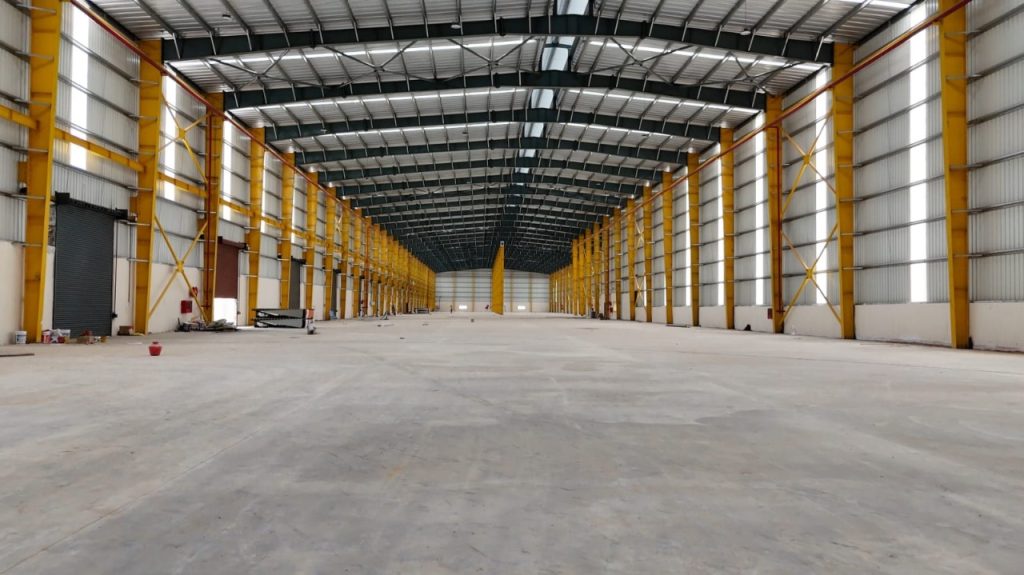
One of the most popular choices today is opting for a warehouse for rent. This approach gives startups the freedom to scale, reduce costs, and focus on their core business activities without being tied down by long-term commitments or large capital expenses.

Cost-Effective Solution for Growing Businesses

Startups often operate on tight budgets, making it essential to minimize unnecessary expenses. Buying or building a warehouse requires significant investment, which can strain financial resources. Renting, on the other hand, allows businesses to access fully functional storage spaces without heavy upfront costs.

With a warehouse for rent, startups can allocate their funds more strategically—whether it’s for marketing, hiring talent, or improving products. This flexibility plays a crucial role in the early stages of business growth.

Flexibility to Scale Operations

One of the biggest advantages of renting a warehouse is scalability. Startups don’t always have predictable growth patterns. There may be times when demand increases rapidly, and other times when operations slow down.

A rented warehouse offers the flexibility to adjust space requirements based on business needs. Whether expanding storage capacity or downsizing to manage costs, startups can make changes without long-term constraints. This adaptability helps businesses stay agile in a competitive market.

Prime Locations Without Long-Term Commitment

Location is a key factor in logistics and distribution. Warehouses situated near transport hubs, highways, or industrial zones can significantly improve delivery efficiency. However, purchasing property in such areas can be extremely expensive.

Choosing a warehouse for rent allows startups to access strategically located spaces without committing to permanent ownership. This ensures faster deliveries, better connectivity, and improved customer satisfaction—all while maintaining financial flexibility.

Reduced Maintenance and Operational Hassles

Owning a warehouse comes with ongoing responsibilities such as maintenance, repairs, and infrastructure management. These tasks can take valuable time and attention away from core business activities.

When startups rent a warehouse, many of these responsibilities are handled by the property provider. This reduces operational stress and allows entrepreneurs to focus on growing their business instead of dealing with facility-related issues.

Access to Modern Infrastructure

Many rental warehouses today are equipped with modern facilities, including advanced storage systems, security features, and efficient layouts. For startups, having access to such infrastructure without additional investment is a major advantage.

These well-designed spaces help improve workflow, ensure better inventory management, and enhance overall productivity. As a result, startups can operate more efficiently from day one.

Supports E-commerce and Fast-Moving Businesses

The rise of e-commerce has increased the need for organized and efficient storage solutions. Startups in online retail, logistics, and distribution rely heavily on warehouses to manage inventory and fulfill orders quickly.

A warehouse for rent provides the perfect solution for such businesses. It enables faster order processing, better stock control, and smoother operations, which are essential for meeting customer expectations in today’s fast-paced market.

Lower Risk and Greater Control

For startups, minimizing risk is just as important as maximizing growth. Renting a warehouse reduces the financial risk associated with property ownership. If business conditions change, startups have the flexibility to relocate or adjust their operations without major losses.

This level of control allows entrepreneurs to make smarter decisions and adapt quickly to market trends.

Ideal for Testing New Markets

Startups often experiment with different markets before settling on a long-term strategy. Renting a warehouse makes it easier to test new locations without making a permanent commitment.

By operating from a rented space, businesses can evaluate demand, understand customer behavior, and refine their approach before scaling further.

Conclusion

In today’s dynamic business environment, flexibility and cost-efficiency are essential for success. Choosing a warehouse for rent gives startups the ability to manage operations smoothly while keeping expenses under control. From scalability and prime locations to reduced maintenance and modern infrastructure, this option offers multiple advantages that align perfectly with the needs of growing businesses.

For startups aiming to build a strong foundation and expand confidently, a warehouse for rent is not just a practical choice it’s a smart strategy for long-term success.

For millions of people, the mere sound of a dental drill or the distinct smell of a clinic can trigger a wave of panic. Dental anxiety and dental phobia are incredibly common conditions that prevent individuals from seeking the oral healthcare they need. While dental anxiety involves a general sense of unease or worry before an appointment, dental phobia is a more severe, irrational fear that can lead to total avoidance of the dentist for years.

Unfortunately, skipping dental visits creates a dangerous cycle. Neglecting your teeth leads to advanced oral health issues, which then require more invasive treatments, ultimately reinforcing the original fear. Breaking this cycle is entirely possible. By understanding the root causes of your anxiety and implementing practical, evidence-based coping mechanisms, you can take control of your oral health and experience stress-free dental visits.

Understanding the Roots of Dental Fear

To conquer dental anxiety, it is essential to identify what specific element of the visit triggers your stress response. Fear is rarely generalized; it is usually tied to a distinct sensory input or a psychological vulnerability.

  • Fear of Pain: This is the most prevalent trigger. Many individuals harbor memories of painful dental procedures from childhood, before modern techniques and advanced local anesthetics made treatments largely painless.

  • Loss of Control: Sitting in a reclined dental chair can make patients feel vulnerable and trapped. The inability to see what the practitioner is doing or to communicate clearly during a procedure exacerbates this feeling.

  • The Sensory Environment: The high-pitched whine of the handpiece, the sharp smell of clinical chemicals, and the sensation of metal instruments in the mouth are powerful psychological triggers.

  • Fear of Embarrassment: Some patients avoid the dentist because they feel ashamed of the condition of their teeth or fear being judged by the dental staff for neglecting their hygiene.

Practical Communication Strategies with Your Dentist

The foundation of a stress-free dental experience is a strong, trusting relationship with your practitioner. Modern dental professionals are trained to handle anxious patients, but they cannot adapt their approach if they do not know how you feel.

Be Open and Honest About Your Anxiety

When you schedule your appointment, inform the receptionist that you experience severe dental anxiety. This allows the clinic to allocate extra time for your visit so you do not feel rushed. When you sit down with the dentist, explain your specific triggers. If you hate the sound of the drill or are terrified of needles, state it clearly.

Establish a Non-Verbal Stop Signal

One of the greatest fears patients have is that the dentist will keep working even if they are in pain or need a break. Before any instrument enters your mouth, agree on a simple hand signal, such as raising your left hand. This gives you absolute control over the pace of the procedure. The moment you raise your hand, the dentist will stop immediately, allowing you to catch your breath or ask for more anesthetic.

Ask for Step-by-Step Explanations

Uncertainty fuels anxiety. Ask your dentist to use the tell-show-do method. The dentist will tell you what tool they are going to use, show you how it works on your finger or external hand, and then perform the action in your mouth. Knowing exactly what to expect eliminates the element of surprise.

Cognitive and Behavioral Relaxation Techniques

Your body and mind are deeply connected. When you experience anxiety, your sympathetic nervous system triggers a fight-or-flight response, causing rapid breathing, a spiked heart rate, and muscle tension. You can consciously counteract this physical response using targeted relaxation techniques.

Practicing Controlled Diaphragmatic Breathing

When people are nervous, they tend to take shallow breaths or hold their breath entirely, which increases panic. Instead, practice deep belly breathing. Inhale slowly through your nose for a count of four, hold the breath for two seconds, and exhale slowly through your mouth for a count of four. This practice lowers your heart rate and signals to your brain that you are safe.

Progressive Muscle Relaxation

Anxiety causes you to tense your jaw, shoulders, and neck without realizing it. Progressive muscle relaxation involves consciously tensing a specific muscle group for five seconds and then completely releasing the tension. Start with your toes and work your way up to your calves, thighs, abdomen, shoulders, and facial muscles. The physical release of tension induces a deep state of mental relaxation.

Distraction Methods to Shift Your Focus

If you can occupy your senses with something external, your brain will have less bandwidth to process dental anxiety. Bringing your own tools for distraction can radically change your perception of time during an appointment.

Use Noise-Canceling Headphones

The auditory triggers of a dental clinic are often the hardest to escape. Invest in a good pair of noise-canceling headphones and create a custom playlist before your visit. High-tempo music, engaging podcasts, or immersive audiobooks are excellent choices. Some patients find that listening to brown noise or nature sounds helps drown out the clinical environment entirely.

Keep Your Hands Occupied

Bring a stress ball, a fidget toy, or a small piece of textured fabric to hold during the procedure. Squeezing a stress ball gives your body a physical outlet for nervous energy and shifts your focus away from what is happening in your mouth.

Advanced Medical Solutions for Severe Phobia

For some individuals, behavioral techniques are not enough to overcome deep-seated trauma. In these scenarios, modern pharmacology offers several safe options to help you stay calm and comfortable throughout your treatment.

Nitrous Oxide

Commonly referred to as laughing gas, nitrous oxide is an inhaled sedative mixed with oxygen. It is administered through a small mask over your nose. Within minutes, you will feel a wave of relaxation and a slight tingling sensation. The primary benefit of nitrous oxide is that it wears off almost immediately once the gas is turned off, meaning you can safely drive yourself home after the appointment.

Oral Sedation

If you suffer from anticipatory anxiety that prevents you from sleeping the night before a visit, oral sedation can help. Your dentist can prescribe a prescription medication, typically from the benzodiazepine class, to take an hour before your appointment. This medication makes you feel drowsy and highly relaxed, though you will remain conscious and able to respond to instructions. You will need a designated driver to take you to and from the clinic.

Intravenous Sedation

For extreme cases of dental phobia or for lengthy, complex procedures, intravenous sedation is an option. Administered by a trained specialist or anesthesiologist, this method induces a twilight sleep. You are technically awake, but you are completely detached from the environment and will generally have no memory of the procedure once it is finished.

Choosing the Right Dental Practice

Not all dental clinics are created equal when it comes to managing anxiety. Finding a practice that aligns with your emotional needs is crucial for long-term success. Look for clinics that explicitly advertise themselves as anxiety-free, gentle, or catering to nervous patients.

Read online reviews to see how other anxious patients describe their experiences. Pay attention to comments regarding the staff behavior, patience, and waiting room environment. A warm, welcoming office with soft lighting and a calm ambiance is far better for an anxious mind than a cold, sterile, institutional environment.


Frequently Asked Questions

How can I stop gagging during a dental procedure when my anxiety makes it worse?

Anxiety frequently exacerbates a sensitive gag reflex by tightening the throat muscles. To manage this, try breathing exclusively through your nose during the procedure. You can also apply a small amount of throat spray or ask your dentist to use a topical numbing gel on the roof of your mouth. Forcing yourself to lift one leg slightly in the air during the most intense moments can also distract your brain and temporarily disrupt the gag reflex.

Is it normal to feel completely exhausted after a dental appointment?

Yes, it is entirely normal. When you experience intense dental anxiety, your body releases a massive surge of adrenaline and cortisol, keeping you in a state of high physical tension. Once the appointment ends and the perceived threat is gone, your body experiences an adrenaline crash, which can leave you feeling drained, sleepy, and physically exhausted for the rest of the day.

What should I do if my anxiety is caused by the fear of choking or suffocating?

This is a very common component of dental phobia. Inform your dentist so they can use a rubber dam to isolate the tooth, which prevents debris and water from traveling down your throat. Additionally, you can request that the dental chair not be fully reclined. Sitting at a slight upward angle can greatly reduce the sensation of losing control over your airway.

Can children develop dental phobia, and how can parents prevent it?

Children can easily develop dental anxiety, often by picking up on the fears of their parents. To prevent this, avoid using negative words like pain, hurt, or needles when describing the visit. Take your child to a pediatric dentist who specializes in child-friendly environments, and schedule regular checkups before any actual dental issues arise so their early memories of the dentist are positive and pain-free.

How does poor oral health caused by dental avoidance affect the rest of my body?

Avoiding the dentist allows chronic oral infections, such as periodontal disease, to worsen. The systemic inflammation and bacteria associated with advanced gum disease can enter the bloodstream and have been linked to broader systemic health issues, including increased risks of cardiovascular disease, stroke, and poorly managed diabetes.

Are there specialized therapists who deal specifically with dental phobia?

Yes, many psychologists specialize in treating specific phobias, including dental phobia. Cognitive Behavioral Therapy is highly effective for this condition. A therapist can work with you over a few sessions to reframe your negative thoughts and guide you through systematic desensitization, helping you gradually build up tolerance to the sights and sounds of a dental clinic.

When a mature, mid-sized company reaches a critical inflection point, executing its next major growth initiative requires a substantial injection of capital. Whether the objective is launching a geographic expansion, funding a major corporate acquisition, investing in extensive product development, or facilitating a shareholder buyout, the management team must determine the most efficient financing structure.

Standard senior debt from commercial banks often falls short because traditional lenders limit their exposure based on strict collateral constraints and tangible asset values. Conversely, raising pure equity capital forces founders to dilute their ownership stakes and surrender a degree of corporate governance. Mezzanine financing serves as a sophisticated, hybrid bridge between these two traditional funding mechanisms. By understanding how to properly evaluate this specialized capital instrument, executives can fuel ambitious growth trajectories while optimizing their overall corporate capital structure.

The Structural Anatomy of Mezzanine Capital

Mezzanine financing sits precisely where its architectural name implies: on the intermediate floor of a company’s balance sheet, positioned between senior debt and common equity. It is a hybrid vehicle that combines the functional characteristics of debt obligations with the upside potential of equity participation.

Subordination and Collateral Realities

The defining characteristic of mezzanine capital is its subordinate status. In the corporate payment hierarchy, mezzanine lenders willingly rank behind senior lenders, such as traditional commercial banks. If a company experiences severe financial distress or liquidation, the senior lenders are paid in full before a single dollar flows to the mezzanine provider.

Furthermore, mezzanine debt is typically unsecured by physical collateral. While a senior bank loan is secured by accounts receivable, inventory, real estate, or equipment, mezzanine financing is backed by a secondary pledge of the company’s stock or equity interest. Because of this high-risk profile, mezzanine lenders do not evaluate a company based on its liquidation value; instead, they focus heavily on historical cash flow predictability and enterprise value.

The Cost and Return Composition

Because mezzanine lenders assume significantly higher risk than senior banks, they demand a higher total return on capital. While senior debt carries a lower interest rate, mezzanine financing yields an overall return profile that typically falls between twelve and twenty percent. This return is achieved through a multi-layered yield structure:

  • Cash Interest: A baseline component that requires regular monthly or quarterly cash distributions.

  • Payment-in-Kind Interest: A specialized mechanism where a portion of the interest accrues over time and is appended to the principal balance of the loan, to be paid upon ultimate maturity. This preserves precious working cash flow for the borrower during critical growth phases.

  • Equity Warrants or Kickers: An option that grants the lender the right to purchase a specific percentage of the company’s common equity at a predetermined, discounted price in the future, allowing them to participate in the enterprise value creation they helped fund.

Strategic Advantages for Growth-Oriented Companies

For the right organization, the inclusion of mezzanine financing offers powerful strategic leverage that can accelerate corporate development without the immediate penalties of traditional equity raises.

Minimization of Equity Dilution

The primary reason business owners choose mezzanine financing over venture capital or private equity is the preservation of ownership. Raising money from pure equity investors requires surrendering a permanent percentage of the company’s future profits and capital appreciation. A mezzanine loan, by contrast, is a temporary structure designed to be repaid or refinanced out of future cash flows within five to seven years. The associated equity warrants usually represent only a minor slice of ownership, allowing the existing shareholders to retain operational and financial control of their business empire.

Expansion of Total Borrowing Capacity

Mezzanine financing can be used as an economic lever to maximize senior debt capacity. Traditional banks view mezzanine capital similarly to equity because it is deeply subordinated and has an extended maturity date with no near-term principal amortization requirements. Consequently, having a layer of mezzanine financing on the balance sheet establishes a protective buffer that gives senior lenders the confidence to extend additional, low-cost senior credit lines to the business.

Flexible Covenants and Patient Capital Structures

Traditional bank loans are notorious for rigid financial maintenance covenants, requiring companies to hit precise quarterly financial ratios regarding leverage and interest coverage. Mezzanine providers offer substantially more operational flexibility. Their financial covenants are looser and more customized to accommodate the temporary margin compression that often accompanies aggressive corporate expansion, making it a highly resilient form of patient growth capital.

Evaluating the Risks and Disadvantages

While the strategic benefits are compelling, mezzanine financing introduces substantial financial complexity and rigid obligations that require careful evaluation.

High Aggregate Cost of Capital

Mezzanine capital is significantly more expensive than traditional bank loans or asset-based lending structures. The combination of cash interest, compounding payment-in-kind interest, upfront arrangement fees, and equity dilution from warrants means that a company must generate exceptional returns on its growth investments to justify the total cost of the capital. If the growth initiative underperforms, the high interest burden can quickly erode net profit margins.

Complex Intercreditor Interlockings

Introducing a secondary, sophisticated institutional lender to the balance sheet complicates a company’s corporate governance. Before funds can be disbursed, the senior bank and the mezzanine lender must negotiate a detailed intercreditor agreement. This contract establishes strict rules governing what happens during a technical default, limits the company’s ability to make cash distributions to founders, and creates complex overlapping approval layers for subsequent corporate actions or restructuring.

Is Your Company a Candidate for Mezzanine Capital?

Mezzanine financing is not a viable option for early-stage startups, speculative turnarounds, or cyclical companies with volatile earnings profiles. Lenders utilize a strict filtering process when evaluating potential borrowers.

  • Proven EBITDA Stability: Lenders generally require a minimum historical earnings before interest, taxes, depreciation, and amortization of three to five million dollars, alongside a demonstrated track record of continuous profitability.

  • Defensible Market Positioning: Candidates must possess a strong, diversified customer base, high barriers to entry within their niche, and an experienced management team capable of executing the proposed growth strategy.

  • Clear Exit and Refinancing Pathways: Because mezzanine instruments have bullet maturities with no gradual principal paydowns, the borrower must articulate exactly how the debt will be extinguished at the end of the term, whether through a future corporate sale, an initial public offering, or a traditional bank refinancing sequence.

Frequently Asked Questions

What is the typical duration or maturity length of a standard mezzanine financing arrangement?

Mezzanine financing instruments are structured as long-term, patient capital liabilities, typically featuring a maturity profile ranging from five to seven years. This extended timeline gives the borrowing enterprise adequate runway to deploy the growth capital, optimize operations, and generate the necessary cash flow trajectories to handle ultimate refinancing or repayment without rushing the business cycle.

How do mezzanine lenders determine the exact strike price and percentage allocation for equity warrants?

The pricing and allocation of equity warrants are determined during the initial valuation and underwriting process. Lenders typically negotiate for warrants that represent between one and five percent of the company’s total fully diluted equity. The strike price is often set at the current fair market value of the enterprise on the day the transaction closes, allowing the lender to profit exclusively from the future equity growth they help facilitate.

Can a company pay off a mezzanine loan early if they experience rapid financial success?

Yes, early prepayment is possible, but it is almost always accompanied by strict call protection mechanisms or prepayment penalties. Because mezzanine lenders underwrite transactions to achieve a specific total yield over a set number of years, early repayment clauses often require the borrower to pay a premium, such as a percentage of the outstanding principal, or guarantee a minimum multi-year make-whole interest return to the lender.

How does mezzanine financing differ fundamentally from preferred equity?

While both occupy the middle layer of the capital structure, mezzanine financing is legally structured as debt, meaning the interest payments are typically tax-deductible expenses for the corporation. Preferred equity sits below mezzanine debt in the liquidation hierarchy, is classified as equity on the balance sheet, and distributes returns via dividends, which are paid out of net after-tax corporate income.

What happens if a company defaults on its mezzanine loan covenants but remains compliant with its senior bank loan?

If a company violates a mezzanine covenant, the mezzanine lender can trigger a technical default. However, under standard intercreditor agreements, the senior bank maintains priority control. The senior lender will typically enforce a standstill period, during which the mezzanine provider is legally blocked from seizing assets or forcing bankruptcy, allowing the company and senior bank time to orchestrate a remedy or structural restructuring.

Are mezzanine lenders actively involved in the day-to-day operational management of the borrowing company?

No, mezzanine lenders are institutional investors who prefer to remain operationally passive. They do not seek control of the day-to-day corporate machinery or operational choices. However, they frequently negotiate for a non-voting board observer seat or require regular monthly financial reporting packages to closely monitor their investment risk and ensure alignment with the overarching corporate growth strategy.

How does a mezzanine provider evaluate enterprise value if the borrowing company is privately held?

Private company evaluation relies on a combination of historical cash flow multipliers and discounted cash flow analysis. Mezzanine underwriting teams analyze the company’s recurring EBITDA and apply an industry-specific market multiplier derived from recent comparable acquisitions of publicly traded peers, adjusting for size, regional concentration, growth rates, and structural capital efficiency.